People, events, buildings, documents and other historical material connected with the Marsh name.
Photographs are being selected for this section.
Heraldry and Symbols
Recorded arms connected with particular Marsh people and family lines. A shared surname alone does not establish a right to use any of these arms.
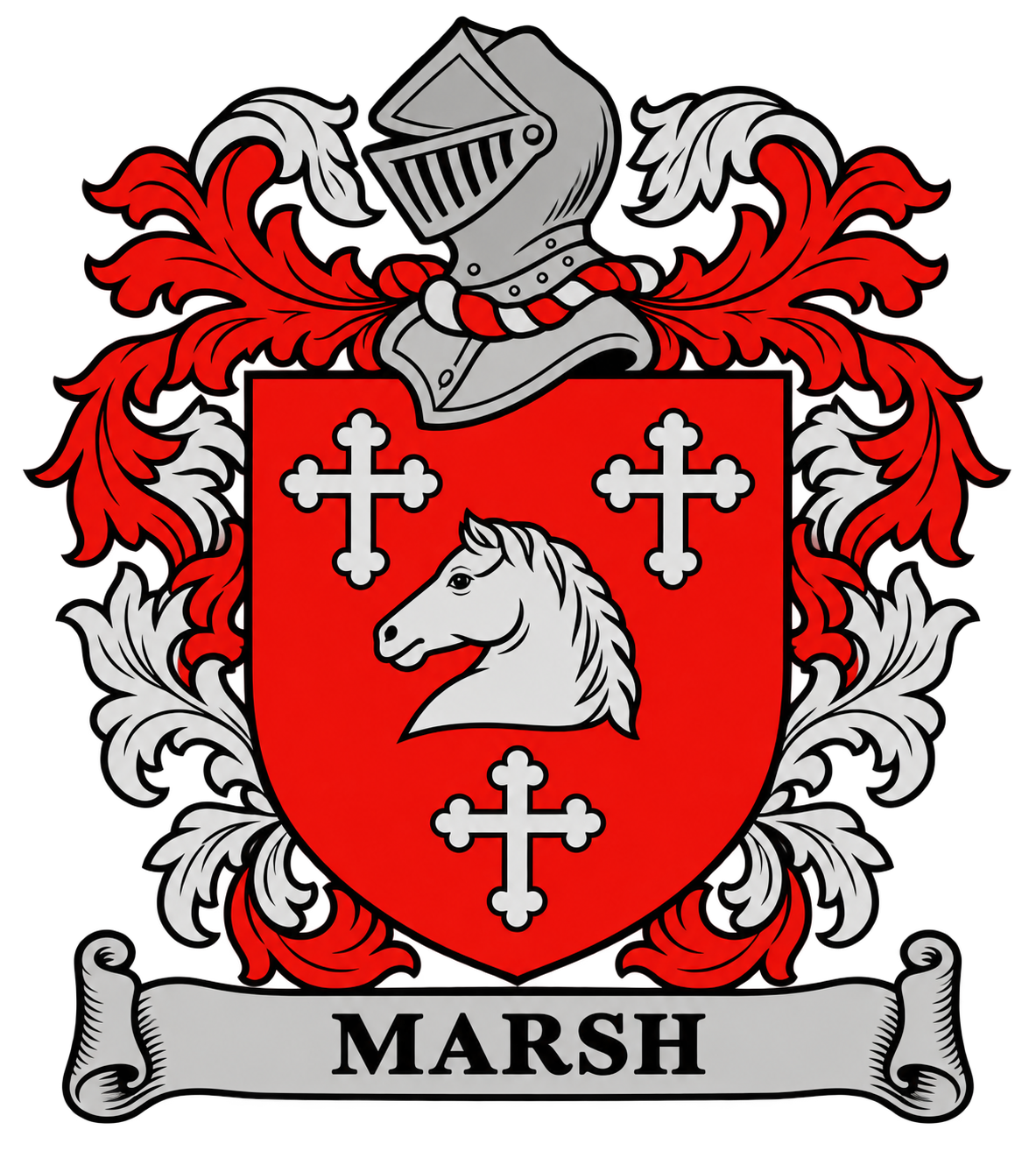
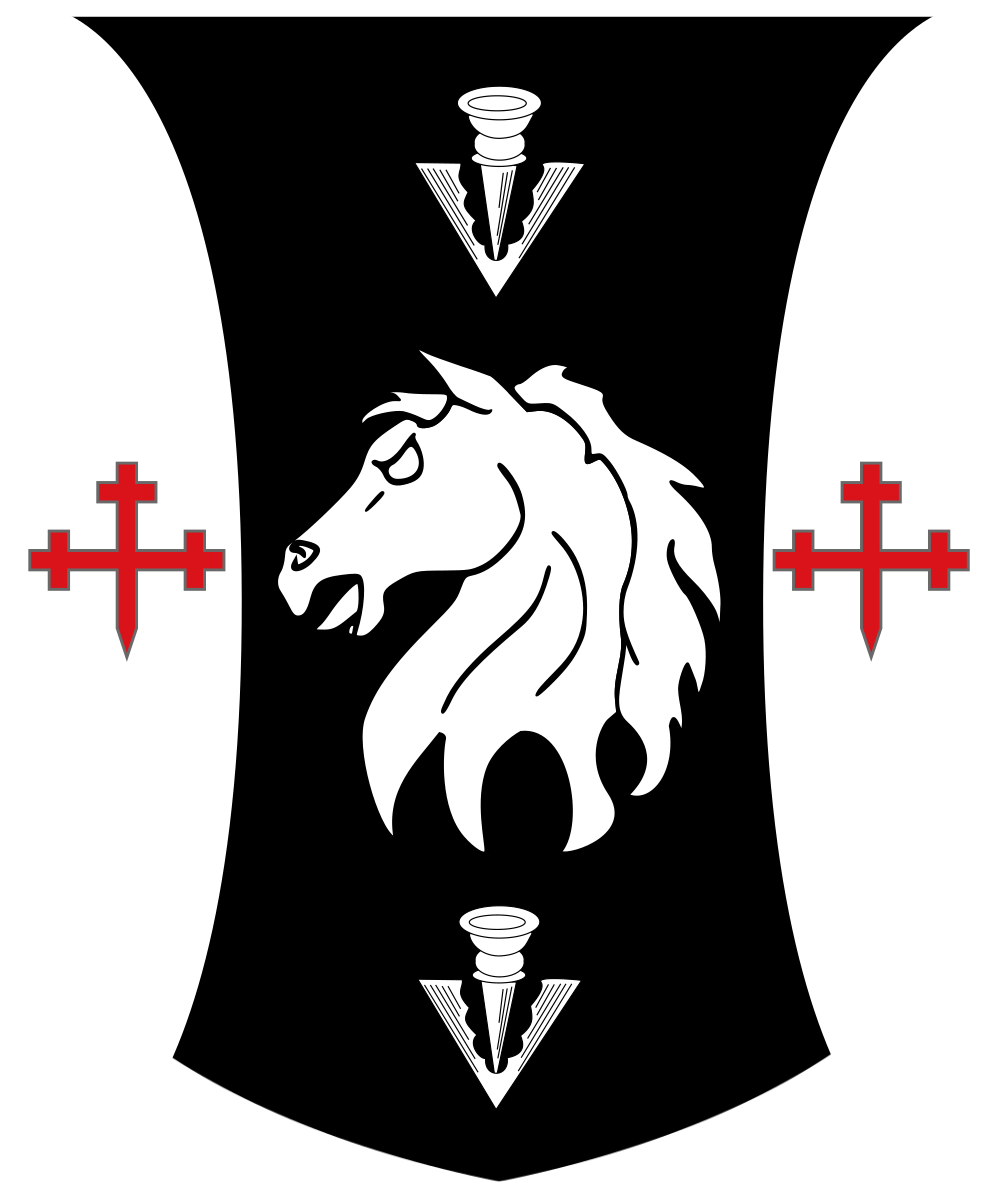
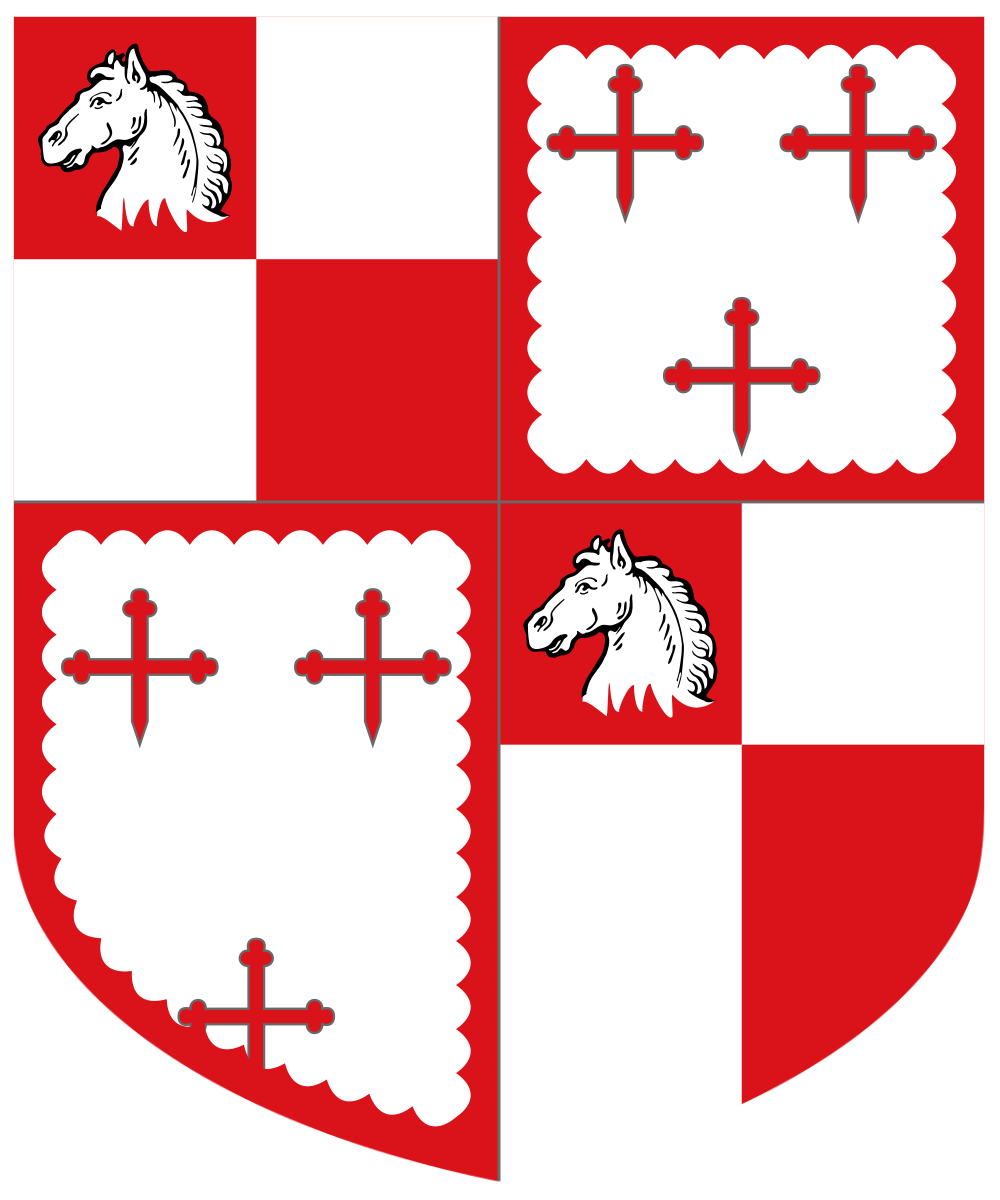
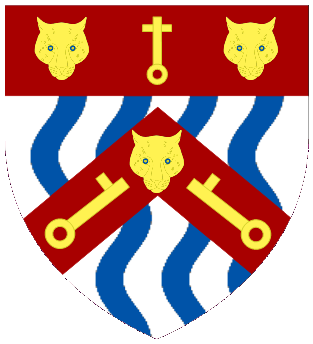
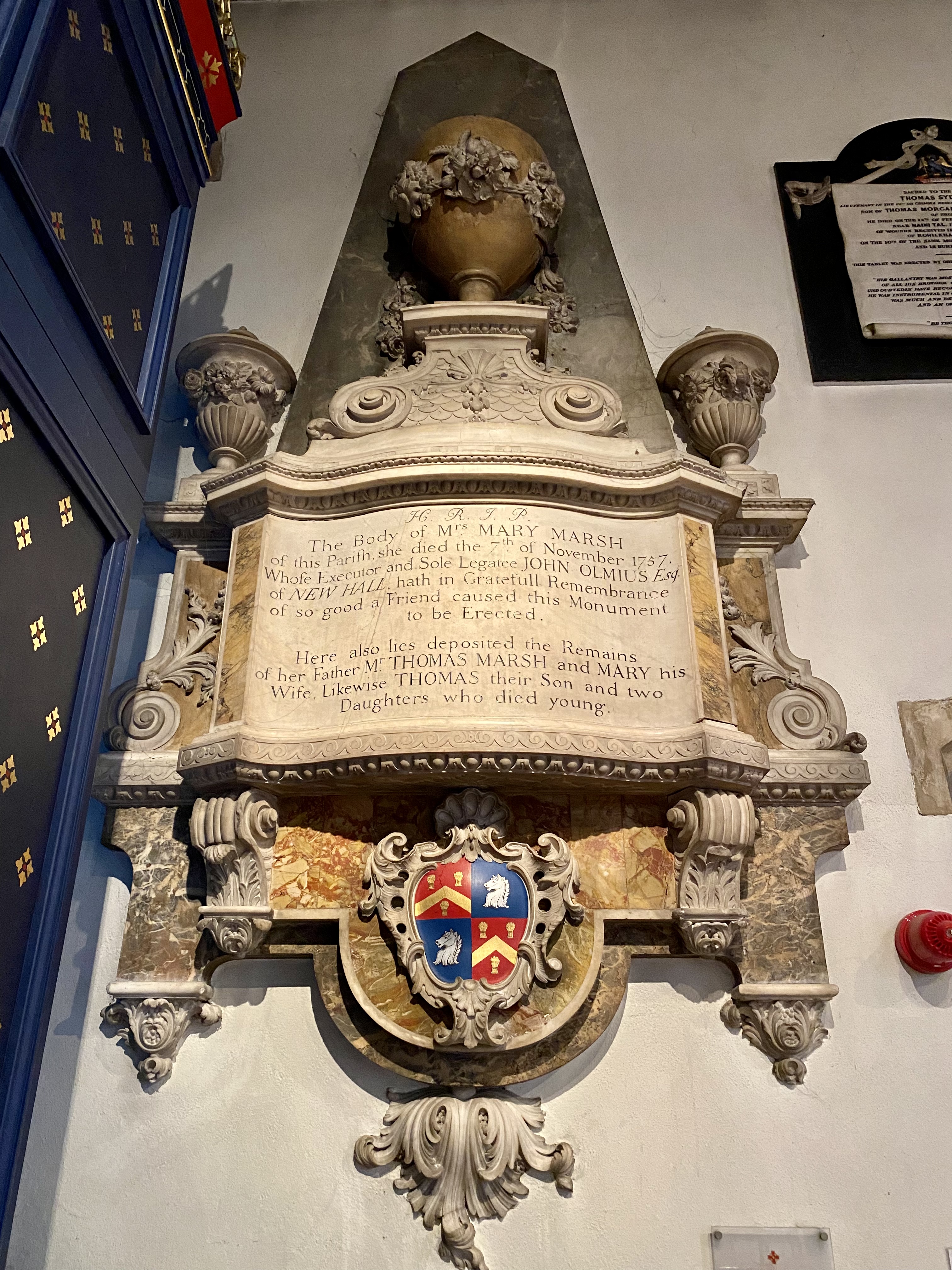
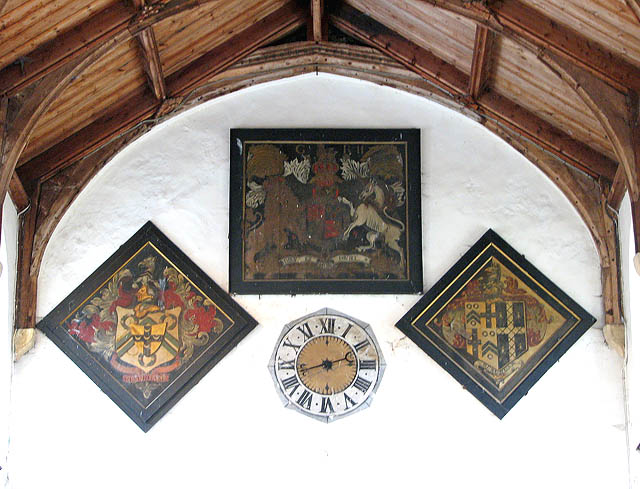
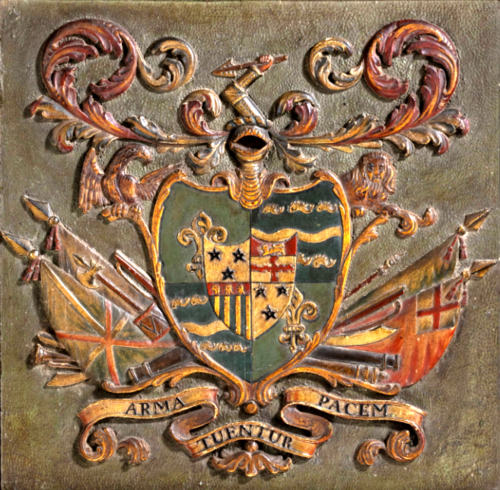
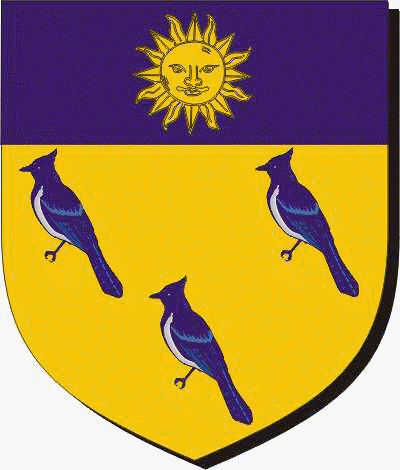
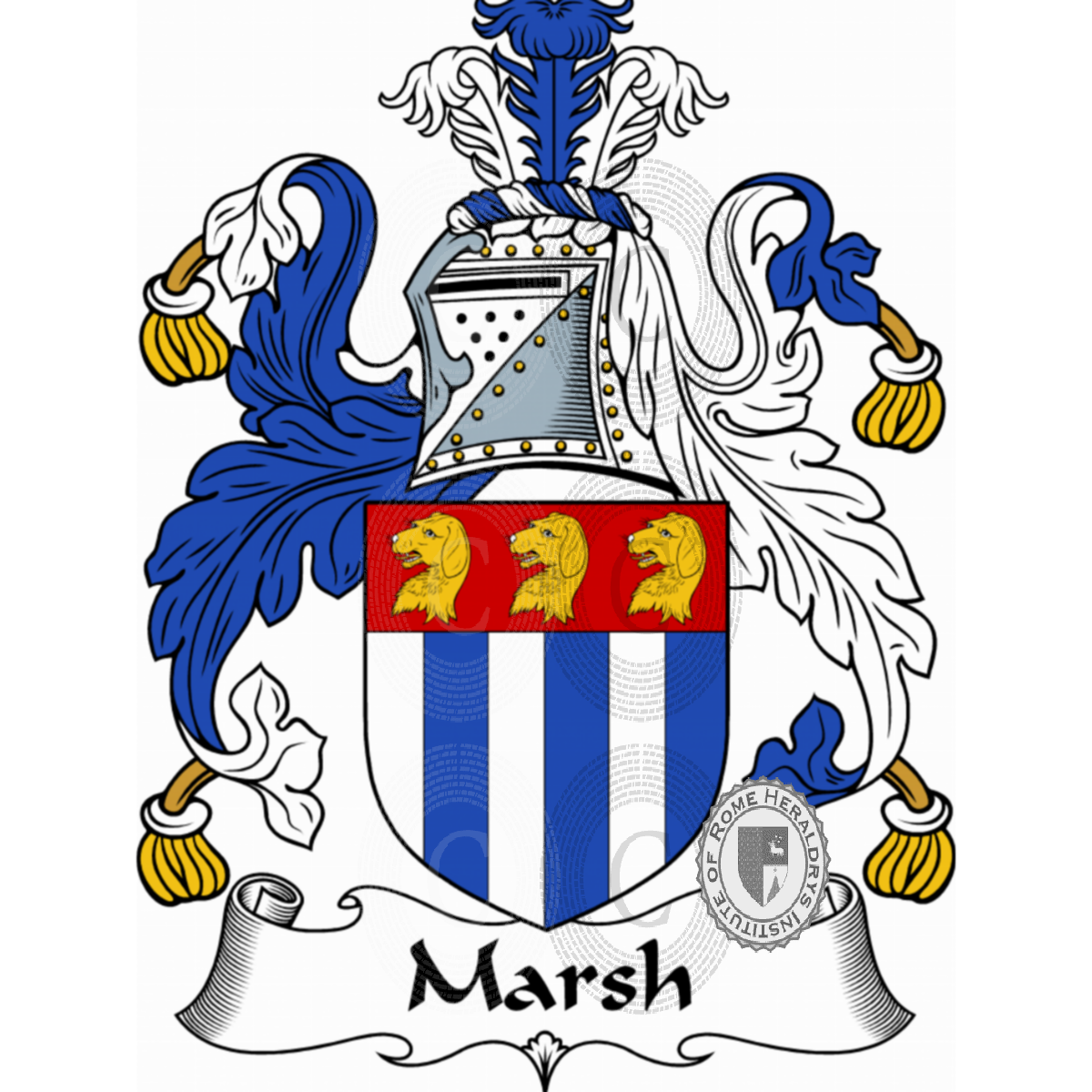
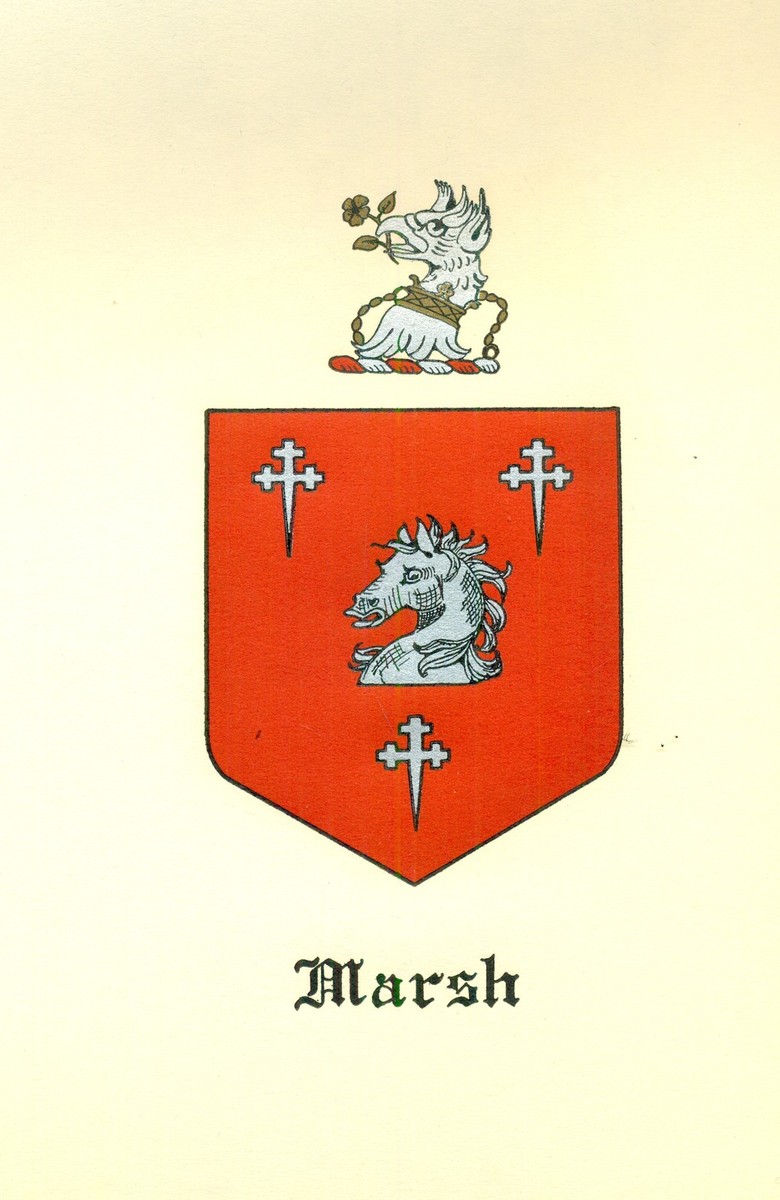
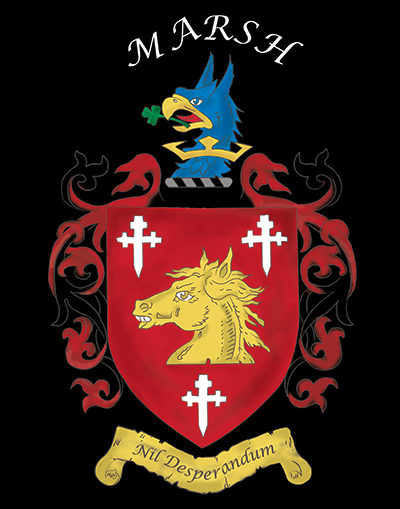
The Marsh.org horse-head arms — The formal description is: on a red field, a silver horse’s head cut off cleanly at the neck between three silver cross crosslets. This genuine Marsh armorial design has been attributed to the Marsh family of Lloyd House, Staffordshire; Lloyd House was acquired in 1771 by John Marsh, a local magistrate. Burke’s General Armory also records the same silver horse-and-crosses design for Marshe of Darks, South Mimms. Because the original Internet image supplies no source label or separate family crest, the shield alone cannot securely identify which of those branches it represents. It has long served as the Marsh.org emblem.Marsh of Gaynes Park — A black shield bearing a silver horse’s head and two silver pheons, framed by silver flaunches with small red crosses. This modern flat rendering follows a historical visitation record.Chisenhale-Marsh of Gaynes Park — A quartered shield combining the arms associated with the Chisenhale and Marsh lines. Quartering commonly recorded inheritance or the joining of armigerous family lines.Richard Marsh, Baron Marsh — Wavy blue and silver vertical bands evoke water, while the red chevron and chief carry gold keys and leopard faces. These are the personal arms of the British politician and railway chairman, not general arms for the Marsh surname.Mary Marsh memorial, 1757 — This monument in Chelmsford Cathedral displays quartered arms beneath its inscription. The shield survives as part of the original memorial rather than as a modern commercial surname crest.Marsh arms in a church hatchment — The hatchment at right in St Mary’s Church, Long Stratton, includes Marsh arms through Sarah Nasmyth Marsh’s marriage to the Reverend Ellis Burroughes. Hatchments were displayed in connection with a death and later preserved in churches.Marche of Haddenham quartering — The small quarter with alternating blue and gold vertical sections and three gold hounds’ heads records the Marche or Marsh line of Haddenham. It appears here within a larger eighteenth-century shield inherited through marriage.Marsh martlets and sun — Three blue martlets appear on a gold field beneath a blue chief bearing a gold sun. Groups of three make a balanced heraldic arrangement; the birds in this design are martlets, a conventional heraldic form rather than a natural species portrait.Marsh pallets and lion heads — Alternating blue and silver vertical bands fill the shield. Three gold lion heads appear across the red chief, using the common two-and-one visual rhythm across the top of the arms.Marsh horse and crosses — A silver horse’s head stands on a red field between three silver cross crosslets. Variants of this horse-and-crosses design are recorded for several Marsh and Marshe lines, with differences in colors, crests and the exact form of the crosses.A modern Marsh heraldic display — This contemporary presentation surrounds the horse-and-crosses shield with a helmet, mantling, crest and motto. These ornaments create a complete heraldic achievement while the shield remains the central identifying element.
Towns, roads, schools, parks, buildings and landmarks bearing the Marsh name.
Photographs are being selected for this section.
Businesses and Organizations Named Marsh
Historic and current companies, institutions, clubs and organizations bearing the Marsh name.
Photographs are being selected for this section.
Marsh People of Note
Public figures and historically significant people whose surname is Marsh.
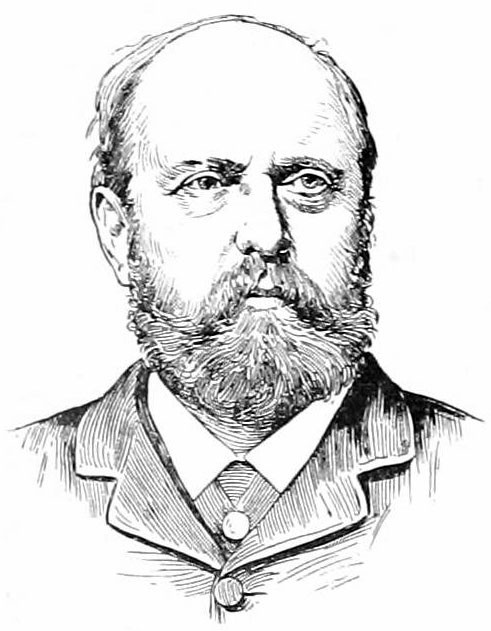
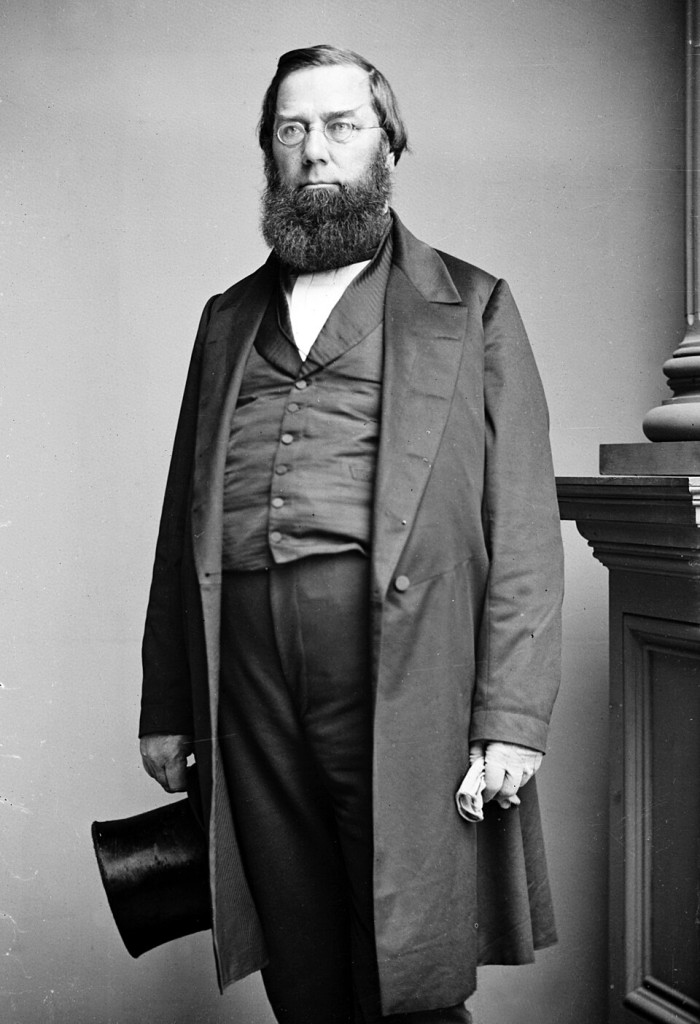
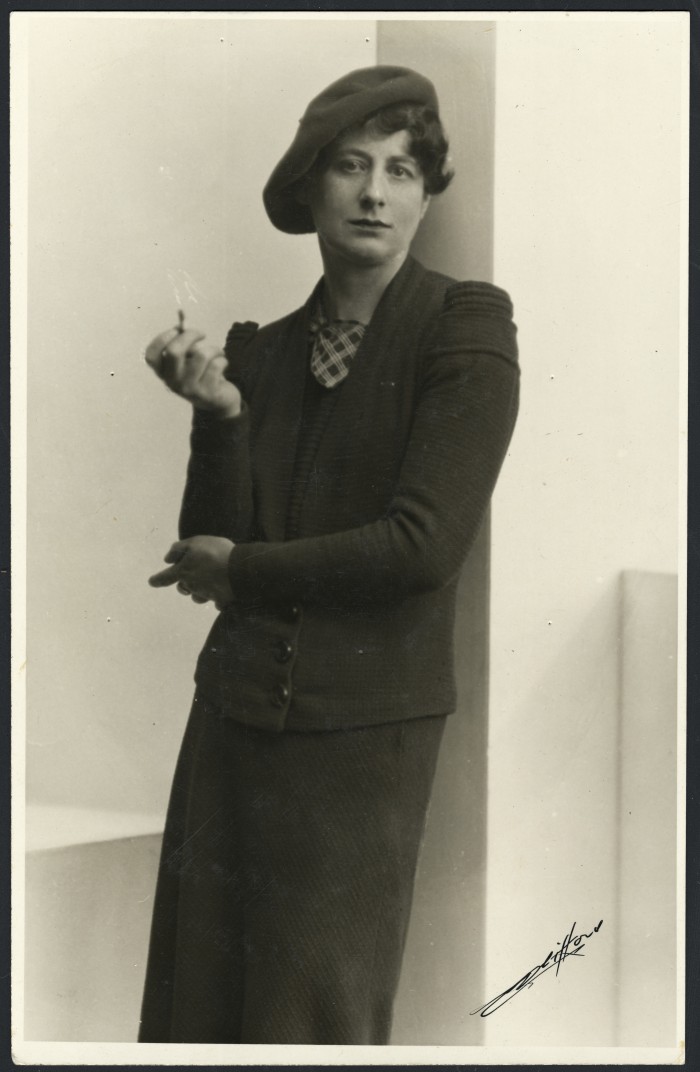
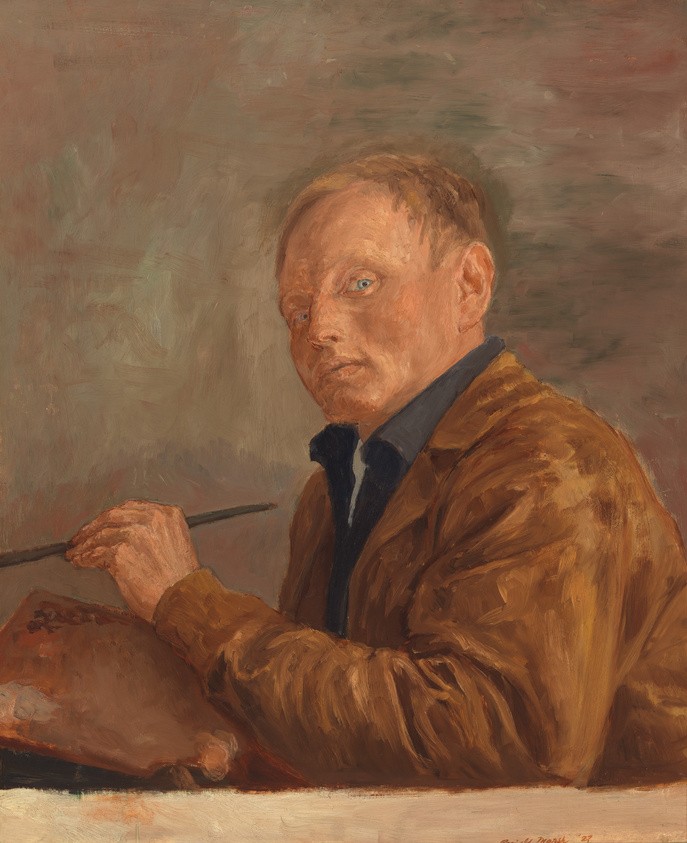
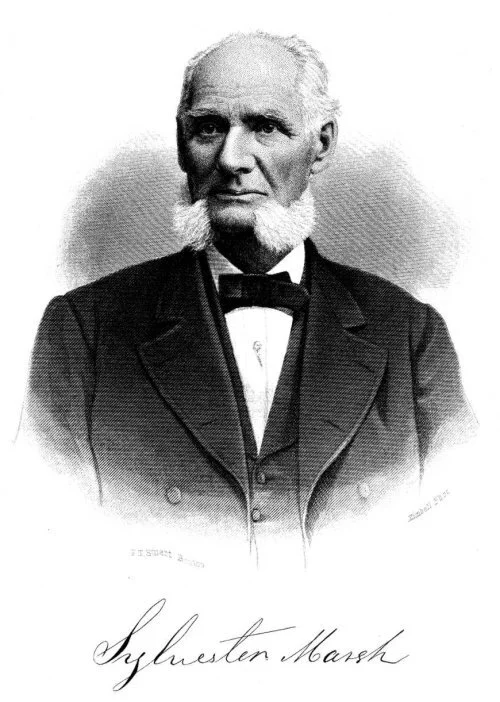
Othniel Charles Marsh (1831–1899) was an American paleontologist, often remembered as the great “dinosaur hunter.” He became the first professor of paleontology in the United States and helped establish Yale’s Peabody Museum. His expeditions and fossil collectors brought many specimens associated with Brontosaurus, Stegosaurus, Triceratops and other prehistoric animals to science. His fierce rivalry with Edward Drinker Cope, known as the Bone Wars, transformed the study of dinosaurs in North America.George Perkins Marsh (1801–1882) was an American diplomat, scholar and one of the earliest major voices for environmental conservation. His influential 1864 book Man and Nature argued that human activity could permanently damage forests, soils, water systems and entire landscapes, and that people therefore had a duty to restore and protect the natural world. His work helped shape later conservation thinking.Dame Ngaio Marsh (1895–1982) was a New Zealand novelist, artist and theatre director celebrated as one of the great “Queens of Crime.” Between 1934 and 1982 she published 32 detective novels featuring Inspector Roderick Alleyn, earning a worldwide readership, while her acclaimed Shakespeare productions helped renew professional theatre in New Zealand. Made a Dame Commander of the Order of the British Empire in 1966, she remains one of the best-known people to carry the Marsh name.Reginald Marsh (1898–1954) was an American painter, printmaker and illustrator whose crowded scenes of New York became enduring records of twentieth-century urban life. After working for newspapers and becoming one of The New Yorker’s original contributors, he portrayed Coney Island, the Bowery, burlesque theatres, subway riders and working-class crowds with techniques inspired by Renaissance and Baroque masters.Sylvester Marsh (1803–1884) was an American businessman and inventor best remembered for creating the Mount Washington Cog Railway in New Hampshire. After nearly losing his life in a storm while climbing the mountain in 1857, he designed a rack-and-cog railway capable of ascending its extreme grades. When the line opened in 1869, it became the world’s first mountain-climbing cog railway and established an engineering model later used around the world.
Unidentified Marsh Material
Images whose people, places, dates or origins visitors may be able to identify.
Photographs are being selected for this section.
Have something to contribute? Please include a title, category, description, source, approximate date and confirmation that Marsh.org has permission to display the image.